Small daily habits compound quickly. When you pick a few practical, low-effort routines and stick with them, your energy, mood, sleep and productivity all improve. This post gives straightforward, evidence-aligned habits you can start today and keep simple as life gets busy.
Each section focuses on one habit area and includes quick tips and product suggestions from WowVibe to help you build consistent routines that feel manageable and rewarding.
Create a restful sleep routine
Quality sleep is foundational. Set a consistent bedtime and wake time, dim lights an hour before bed, and limit screens. Simple environmental changes make falling asleep easier and staying asleep more likely.
Swap rough pillowcases for a smooth option to reduce friction and improve comfort; a silk pillowcase can also help skin and hair retain moisture overnight. Pair this with a cool, dark room and a short wind-down ritual—reading, stretching, or deep breathing—for 15–20 minutes before bed.
Move your body—little and often
You don’t need long workouts to benefit. Short sessions of movement—10–20 minutes of walking, stretching, bodyweight exercises or yoga—raise energy, improve circulation and reduce tension.
For sore muscles after a day of sitting, use targeted tools to ease stiffness and speed recovery. A compact massage roller is an easy way to relieve tight calves, quads and back muscles in just a few minutes a day.
Hydrate and prioritize simple nutrition
Start the day with a glass of water and keep a bottle nearby. Small, consistent hydration prevents sluggishness and supports digestion. Aim for balanced meals with protein, healthy fats and whole grains to stabilize blood sugar and appetite.
If snacking is a struggle, schedule two small, planned snacks each day (one mid-morning, one mid-afternoon) rather than grazing. Consistency helps your body settle into predictable energy cycles.
Build short mindfulness breaks
Mindfulness doesn’t require long retreats. Two to five minutes of focused breathing, body scans, or a quick seated pause reduces stress and improves clarity. Set an alarm or tie the practice to daily cues—after brushing teeth, before lunch, or at the top of each hour.
If you prefer seated practice, having supportive cushions can make short sessions comfortable and more likely to stick. Consider the HOMBYS Pro Meditation Cushion to create a dedicated, comfortable spot—even five minutes seated with good support helps reinforce a daily habit.
Design a calming home ambience
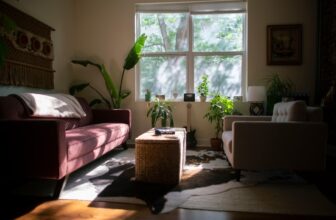
Ambience influences mood more than most people realize. Use soft light, subtle scents, and tidy surfaces to cue relaxation and focus. A quick declutter of one surface each day keeps the space manageable and reduces cognitive load.
Diffusers can provide gentle scent cues that signal relaxation or focus. An aromatherapy diffuser set on a low setting during evening wind-down or work sessions can help your brain associate specific scents with calm or concentration.
Simple skincare and self-massage practices
Self-care routines don’t need to be elaborate. A short, consistent skincare ritual and occasional facial massage improve circulation and promote relaxation. Even two minutes morning and night makes a difference for skin health and mental reset.
Tools like a gua sha can enhance a quick facial massage, reduce tension and boost circulation when used correctly. Keep a gua sha tool by the sink or nightstand and spend 2–3 minutes using gentle strokes as part of your nightly routine.
Rituals that reduce stress and reset energy
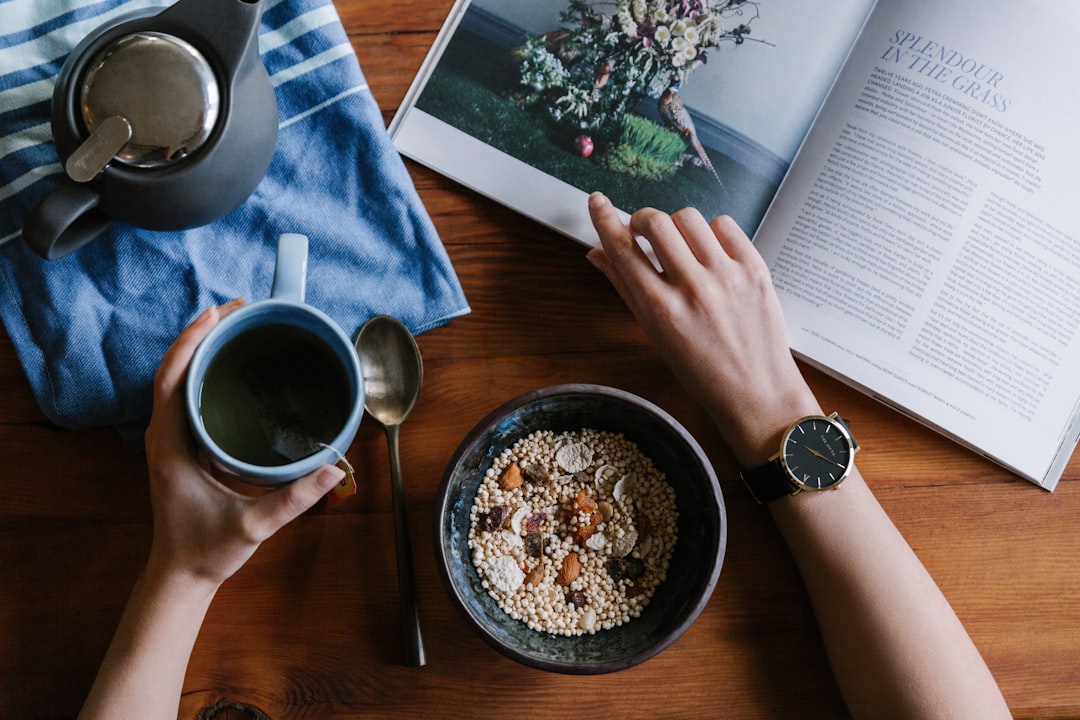
Short rituals—lighting a candle, brewing a cup of tea, applying a lotion—signal transitions between tasks and help you leave work at work. Build 2–3 small rituals into your day to mark beginnings and endings.
When stress accumulates in the body, a 10–15 minute targeted massage can be a fast reset. A compact foot massager or even using it for brief self-care sessions after a long day is an effective way to lower tension and signal downtime.
Use light and scent to lift mood and focus
Light and scent are powerful nonverbal cues. Bright, warm light in the morning helps wake you up; softer, warmer tones help you wind down. Place lamps in places where you need focus or relaxation.
Add color and control to your space with LED mood lighting to create different atmospheres—cool white for focus, warm hues for evening calm. Combine with scent cues to reinforce routines.
Carry quick scent cues for habit reinforcement
Portable scent cues help anchor habits across environments. A small inhaler or a drop of essential oil on a tissue can prompt a breathing exercise, a hand-washing ritual, or a moment of calm during a hectic day.
For a compact option to support home and portable scent cues, an essential oil set gives you focused options—lavender for evening calm, peppermint for alertness—to pair with routines and cues.
Quick checklist to start today
- Set a consistent sleep/wake time this week.
- Do 10 minutes of movement each morning.
- Drink a glass of water on waking and keep a bottle nearby.
- Tie a 2–5 minute mindfulness break to an existing habit.
- Use one sensory cue (light or scent) to mark the end of work.
- Spend 2 minutes on skin or facial massage nightly.
- Declutter one surface for 5 minutes daily.
FAQ
- How long until small habits show results?
You can notice immediate subjective benefits—better mood, clearer focus—within days. Physical changes (sleep quality, skin improvements) often take a few weeks of consistent practice.
- What if I miss a day?
Missed days are normal. The goal is consistency over time, not perfection. Recommit the next day and keep routines simple so you’re more likely to return to them.
- How do I remember to do short breaks?
Use environmental cues (a lamp, diffuser scent) or phone reminders, and attach practices to existing habits—after lunch, after brushing teeth, or at the top of the hour.
- Can tools actually help form habits?
Yes. Tools that make a ritual pleasant or easy (comfortable cushions, mood lighting, massage tools) reduce friction and increase the chance you’ll repeat the habit.
- How many habits should I start with?
Start with one to three small habits. Once they feel automatic, add more. Small wins build momentum faster than radical overhauls.
Practical takeaway: choose three small, concrete habits from this list—one for sleep, one for movement, and one for stress reset—and do them daily for two weeks. Keep tools and cues handy to reduce friction and make the new routine easy to follow. Small, consistent actions compound into lasting improvements.
Products Featured in This Article
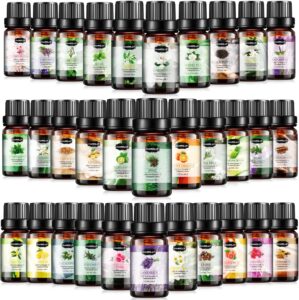
Essential Oils Set, Aromatherapy Es…
Product description Perfect for diffuser Add 5~7 drops of an oil or oil blend of your…
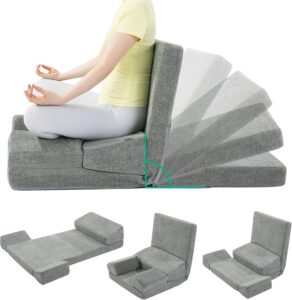
HOMBYS Pro Meditation Cushion Set w…
Product description The video showcases the product in use.The video guides you through product setup.The video…