Common Personal Hygiene Mistakes and How to Avoid Them
Good personal hygiene protects your health and helps you feel confident, but even well-meaning routines can include mistakes that reduce effectiveness or harm skin and hair. This guide highlights the most common slips people make and offers clear, practical fixes you can apply today.
Small adjustments—like switching a product, cleaning a tool correctly, or changing the timing of a routine—often deliver better results than adding more steps. Read on for actionable tips and a simple checklist to keep your hygiene on point.
1. Skipping Proper Handwashing Technique
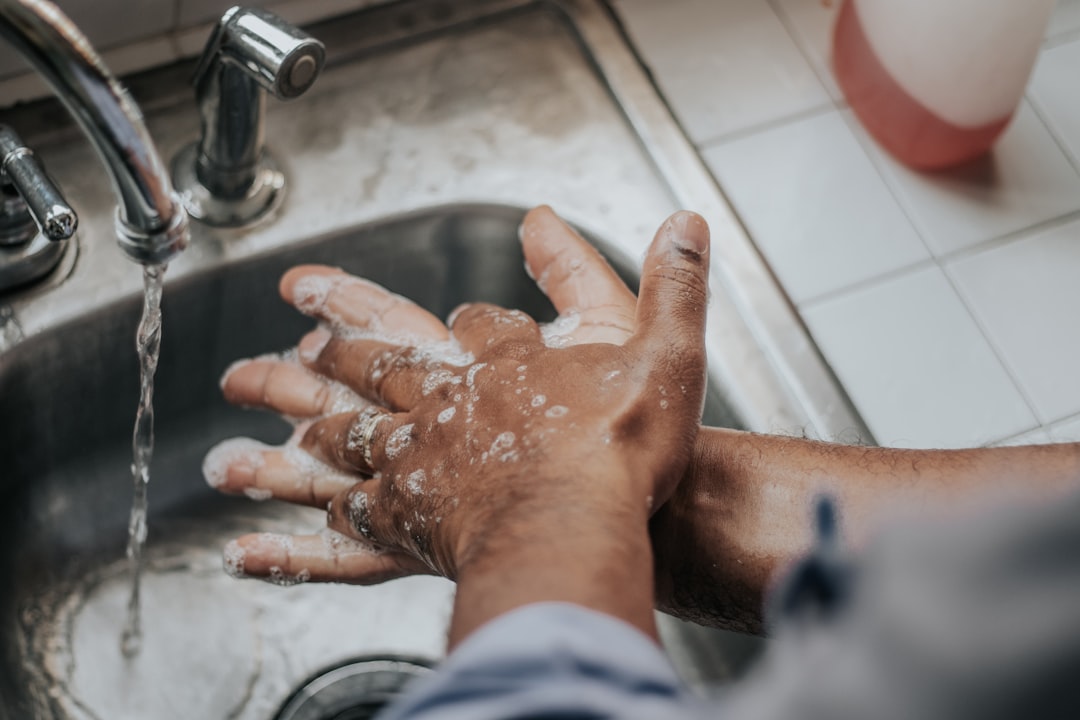
Handwashing is the single best habit to reduce the spread of germs, but skipping the full 20 seconds, missing fingertips and thumbs, or rinsing with cold water weakens its effectiveness. Use soap, lather for at least 20 seconds, scrub all surfaces (backs of hands, between fingers, under nails), rinse, and dry thoroughly with a clean towel.
Keep a small hand-care kit by the sink: a moisturizing, gentle hand soap and an alcohol-based sanitizer for when soap and water aren’t available. If your hands frequently get dry, consider swapping to gentler formulations found in curated sets such as Skincare Gift Sets that often include mild hand-friendly cleansers and creams.
2. Overwashing or Using Harsh Soaps
Washing too often or using antibacterial and heavily fragranced soaps can strip natural oils, disrupting the skin barrier and causing dryness, irritation, or breakouts. For face and body, choose gentle, pH-balanced cleansers and limit hot-water showers.
If you struggle to find gentle options, look for kits and collections that prioritize mild, nourishing ingredients. A thoughtfully selected Skincare Gift Sets can introduce you to low-irritation products that support healthy skin without over-cleansing.
3. Neglecting Nail Care
Dirty, overgrown, or improperly trimmed nails harbor bacteria and look unkempt. Common mistakes include cutting cuticles, trimming nails too short, and not cleaning under the nail regularly.
Trim nails straight across and gently file edges; avoid cutting cuticles—push them back gently after a shower or use a soft tool. Keep a quality clipper in your grooming kit; professional-style tools such as MR.GREEN Nail Clippers make precise cuts less likely to cause injuries.
4. Forgetting Intimate Hygiene Basics
Using harsh soaps, douching, or overly scented products in the intimate area can upset natural pH and cause irritation. The genital area is self-cleaning; stick to gentle, fragrance-free options and change underwear daily. After exercise or swimming, shower and change into clean, dry clothes promptly.
For those with sensitive skin, choose products formulated for intimate care—plant-based, pH-balanced washes can be gentler than generic body soaps. Consider reliable options like The Honey Pot Company feminine wash designed specifically for delicate skin.
5. Not Cleaning Facial Tools and Reusable Items
Makeup brushes, gua sha tools, jade rollers, and other reusable facial items collect oils, bacteria, and dead skin. Using dirty tools spreads acne-causing bacteria and dulls results.
Clean brushes weekly with a gentle shampoo or brush cleaner and hot water; let them dry flat. Wipe down hard tools after each use and deep-clean weekly with mild soap and a soft cloth. Browse cleanable facial tool options and replacement sets like Gua Sha Tools and Jade Rollers that are easy to sanitize and durable.
6. Relying on Scents to Mask Body Odor
Quickly spraying perfume or room scent over body odor masks the issue rather than addressing it. Body odor is reduced by proper cleansing, antiperspirant use when needed, and wearing breathable fabrics. If you like ambient scents in your space, choose complementary options rather than using fragrance to hide hygiene lapses.
For freshening clothes or rooms without over-relying on perfume, consider practical aroma solutions such as an Essential Oils Set for controlled diffusion and professional room mists like room sprays designed for ambient use.
7. Sleeping on Dirty Pillowcases and Bedding
Pillowcases and sheets collect oil, sweat, hair products, and bacteria—failing to wash them weekly can transfer grime back to your face and hair overnight, worsening acne and scalp issues. If you sweat a lot or have skin concerns, aim for twice-weekly changes.
Silk pillowcases reduce friction, help hair retain moisture, and are gentler on sensitive skin. Consider upgrading to a smooth option like Silk Pillowcases and set a washing schedule to keep bedding fresh.
8. Ignoring Post-Workout Hygiene
Failing to shower or change out of sweaty clothes after exercise is a common mistake that promotes bacterial growth and rashes. Rinse off sweat as soon as practical, use a quick body wash for the high-sweat areas, and wear clean, breathable workout gear.
If you can’t shower immediately, change into dry clothes and use a gentle body wipe; wash exercise clothes in hot water when possible to remove oils and bacteria.
Quick Checklist
- Wash hands 20 seconds with soap; dry with a clean towel.
- Use gentle, pH-balanced cleansers; avoid hot showers and harsh fragrances.
- Trim nails regularly with quality clippers and keep them clean.
- Choose plant-based, pH-balanced intimate cleansers when needed.
- Clean facial tools weekly and wipe them after each use.
- Wash pillowcases and sheets at least weekly; consider silk pillowcases.
- Shower after workouts and change into clean clothes promptly.
- Use ambient scents intentionally—try an Room Sprays or an Essential Oil Set for the space, not to mask body odor.
FAQ
- How often should I wash my face? Twice daily—morning and evening—and after heavy sweating. Use a gentle cleanser appropriate for your skin type.
- Are antibacterial soaps better for daily use? No—regular gentle soap is enough for routine cleansing; antibacterial soaps can be harsh and are unnecessary for everyday use.
- How do I clean a jade roller or gua sha? Wipe after each use with a soft, damp cloth and wash weekly with mild soap; dry completely before storing. See easy-to-clean tools like Jade Rollers and Gua Sha Tools.
- Can fragrance-free products still smell slightly scented? Yes—many “unscented” or “fragrance-free” products contain masking agents or natural scents; if you are sensitive, look for explicitly labeled “no fragrance” and check ingredients.
- How often should I replace personal grooming tools? Replace items that show wear or damage; well-maintained stainless steel clippers like MR.GREEN Nail Clippers can last years with proper care.
Conclusion
Good hygiene is less about perfection and more about consistent, informed habits. Prioritize gentle products, regular tool and bedding cleaning, timely post-exercise care, and sensible use of scents. Start with the checklist above, make one change this week, and build from there—small, steady improvements yield the best results.
Products Featured in This Article
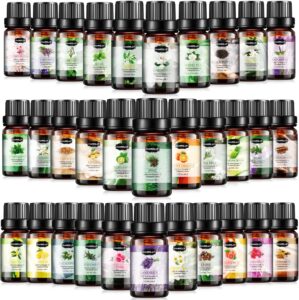
Essential Oils Set, Aromatherapy Es…
Product description Perfect for diffuser Add 5~7 drops of an oil or oil blend of your…
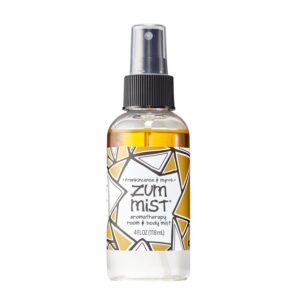
Indigo Wild Zum Mist Room & Bo…
Product description Zum products are made with ingredients you can say, smell, and love to smell….
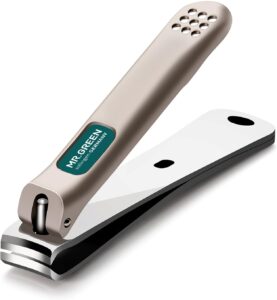
MR.GREEN Nail Clippers Curved Blade…
Product description Extremely sharp and durable A revolution in durability,Cross-bolt reinforcement,not easy to disperse,malpositioned blade design,avoid…
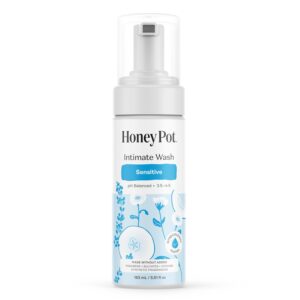
The Honey Pot Company – Femin…
Product description The video showcases the product in use.The video guides you through product setup.The video…