The Complete Guide to Feeling More Comfortable, Relaxed and Confident at Home
Home should be the place you recharge, think clearly, and feel like your best self. Small, purposeful changes to your environment and routines deliver big improvements in comfort, relaxation, and self-assurance.
This guide gives practical, actionable steps you can implement today — from lighting and scent to bedding, sound, and simple rituals that support confidence. Use the suggestions that fit your space and budget, and build a routine that feels natural.
1. Set the mood with intentional lighting
Lighting affects mood and productivity more than most people realize. Harsh overhead lights can feel clinical; layered, dimmable lighting creates warmth and calm. Start by adding sources you can control independently: a warm table lamp for reading, an accent light for evening, and soft indirect light for working.
For flexible options that shift with your needs, consider LED mood lighting — color temperature and dimming allow you to change ambience from energizing to relaxing without rewiring.
2. Use scent and gentle aroma to anchor relaxation
Scent ties directly to memory and emotion. A subtle, consistent scent can cue your brain for calm (lavender before bed, citrus in the morning). Avoid overpowering fragrances that cause headaches — aim for natural or lightly blended options.
Plug-in diffusers, waterless machines, or reed diffusers work well in common areas. If you prefer a candle-like effect without open flame, scented candles are a convenient choice: scented candles can provide both scent and soft, flickering light to enhance relaxation.
3. Layer textiles for warmth and comfort
Textiles are one of the fastest ways to change how a room feels. Soft throws, a plush blanket on the sofa, or a high-quality bed blanket create an immediate sense of coziness. Choose breathable fabrics so they feel comfortable in different seasons.
Look for versatile pieces that can be used as decor and for comfort — a throw that complements your color scheme and adds warmth to an evening on the couch. A good starting point is a reliable bed blanket you enjoy curling up with.
4. Optimize your sleep setup
Sleep quality underpins daytime confidence and energy. Two factors that make a direct difference are pillow support and consistent sleep sounds.
Choose a pillow that matches your sleep position and temperature needs. Memory foam options provide contouring support for many sleepers; consider a memory foam pillow to reduce neck strain and improve morning comfort.
Noise can be an obstacle to falling and staying asleep. A compact sound machine that produces consistent, neutral noises (rain, fan, or white noise) masks disruptive sounds and stabilizes sleep cycles. If outside noise affects you, a targeted white noise machine can be transformational.
5. Use weighted and targeted comfort tools
Grounding tactile input can reduce anxiety and improve rest. Weighted blankets provide gentle pressure that many people find calming; they’re useful for reading, movie nights, or sleep. Start with a blanket roughly 10% of your body weight for best results.
If you want a reliable option to trial, a quality weighted blanket is a practical addition to your comfort toolkit.
6. Manage temperature and muscle tension
Cold, drafts, or localized muscle tightness can undermine relaxation. Easy fixes like layering clothing, keeping a cozy throw nearby, and using targeted heat help you maintain comfort without overhauling your HVAC system.
For sore shoulders, back tension, or menstrual cramps, an electric heating pad provides quick, controllable relief. A quality heating pad with adjustable settings lets you apply moist or dry heat safely and conveniently.
7. Build simple daily rituals for calm and confidence
Rituals are short, repeatable actions that prime your mind. They don’t need to be elaborate — a five-minute morning stretch, a five-minute tidy of your main surfaces, and a two-minute breathing practice before bed are effective and sustainable.
Incorporate small self-care tools into your ritual. Diffusing an uplifting essential oil in the morning and a calming blend at night can anchor those moments. If you want an easy, low-maintenance option, an essential oil diffuser lets you automate scent for different times of day without fuss.
8. Declutter and designate spaces
Clutter creates cognitive load and reduces your sense of control. Even modest changes — designating a single surface for keys and mail, clearing a 3×3 foot area for daily tasks, or creating a small “relaxation corner” — reduce decision fatigue and improve focus.
Keep only what you use in sight. If you want a relaxing reading spot, add a small tray with a candle or diffuser, a low lamp, and a soft blanket so the area invites you to sit without extra effort.
9. Move a little, often
Short, regular movement breaks relieve stiffness, boost mood, and increase confidence in your body. Set a timer to stand, stretch, or walk for 3–5 minutes each hour, and include a gentle evening routine to unwind before bed. Tools like a yoga mat or meditation cushion are helpful but optional — the routine matters more than the gear.
Quick checklist
- Swap harsh overhead lights for layered, dimmable lighting.
- Add a soft bed blanket or throw to main seating areas. (bed blankets)
- Use a calming scent at night and an energizing scent in the morning. (scented candles)
- Choose the right pillow for support. (memory foam pillows)
- Try a white noise machine if sound disrupts sleep. (white noise machine)
- Consider a weighted blanket for evening calming. (weighted blankets)
- Keep a heating pad on hand for targeted warmth. (heating pads)
- Diffuse essential oils to support rituals. (essential oil diffusers)
FAQ
- How quickly will I notice changes? Small environmental changes (lighting, scent, textiles) can improve comfort within hours. Sleep and habitual changes may take 1–3 weeks as routines form.
- What if I live in a small space? Focus on multi-use items: a throw that doubles as decor, a compact diffuser, and soft lighting. Designate a small corner for relaxation to create a psychological separation from work areas.
- Can scent be overwhelming? Yes — start with low concentrations and ventilate. Use shorter diffusion cycles and choose subtle blends rather than concentrated fragrances.
- Are weighted blankets safe? For most adults, yes when sized properly. Avoid for young children, people with breathing or circulation problems, or anyone who cannot remove the blanket independently.
- How do I pick the right pillow? Match pillow loft and firmness to your primary sleep position: back sleepers need medium loft, side sleepers higher support, stomach sleepers lower loft. Memory foam is a good all-around choice for support and pressure relief.
Conclusion
Comfort at home is created by intentional, manageable choices: layered lighting, calming scents, supportive bedding, and simple rituals. Choose two or three changes from this guide and commit to them for a month. Small wins compound — and consistent, small adjustments are what lead to lasting comfort, relaxation, and greater confidence at home.
Products Featured in This Article
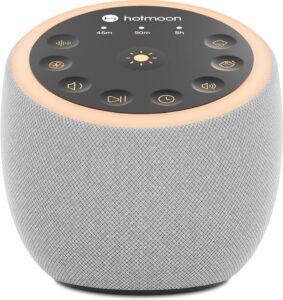
Hotmoon Sound Machine for Sleep, Co…
Product description Cocoon 2 Sound Machine – Plug, Play and Unwind Instantly. 40 Soothing Sounds for…