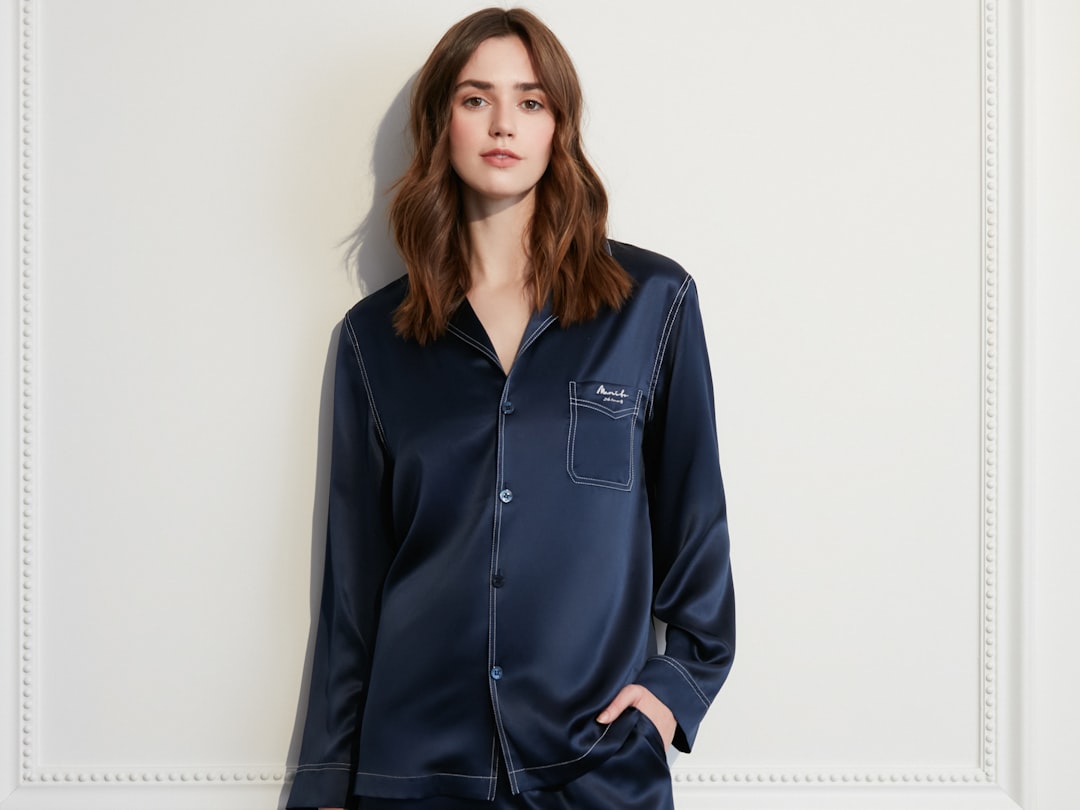
Choosing comfortable sleepwear is one of the simplest ways to improve nightly rest. The right pajamas or loungewear helps regulate temperature, reduce irritation, and set a cue for winding down.
This guide walks through the practical factors to consider—materials, fit, temperature management, bedroom environment, and small accessories—so you can pick sleepwear that helps you sleep better and wake up refreshed.
Fabric and material: start here
Fabric determines how your skin breathes and how your body temperature shifts overnight. Natural fibers like cotton, bamboo, and Tencel are breathable and wick moisture. Lightweight knits work well for year-round use; flannel and brushed fabrics provide warmth in winter.
If you prefer a cozy layered look or want a sense of softness beyond sleepwear, pair your pajamas with an easy blanket or throw to test textures at home—products such as Bed Blankets can help you evaluate how different materials feel against your skin before committing to sleepwear styles.
Fit, cut, and support
Comfortable sleepwear should move with you. Look for relaxed cuts: elastic waistbands that don’t bind, roomy legs, raglan sleeves, and soft necklines. If you sleep with extra support—pregnancy, recovery, or chronic pain—consider sleepwear and accessories that accommodate that setup. Supporting products like Body Pillows are useful to pair with looser pajama styles so you get both freedom of movement and the support you need.
Temperature control and layering
People vary: some run hot, some cold. Choose sleepwear that matches your typical night temperature and plan to layer. Short-sleeve/short sets work for hot sleepers; long-sleeve and pant sets suit cold sleepers. Breathable fabrics will reduce night sweats.
For targeted warmth without heavy clothing, consider localized warming options that let you keep sleepwear lightweight while staying comfortable—items like Heating Pads provide controlled warmth for sore spots or colder nights without overheating the whole body.
Bedroom environment: scent and relaxation cues
Sleepwear is part of a bedtime ritual. Pair comfortable garments with sensory cues that signal rest. Calming scents, diffused gently in the bedroom, can create a consistent wind-down routine. If you want controlled, programmable scenting for the room, look for Aromatherapy Diffusers that release subtle fragrances to complement your sleepwear comfort.
Noise and distraction: set the stage
Even the most comfortable pajamas can’t help if the environment is noisy. For light sleepers, reducing disturbance or adding consistent background sound improves sleep quality. Consider a device that masks sudden noises and creates a steady auditory backdrop—options like White Noise Machines are simple, effective, and work well with a bedtime clothing routine.
Lighting and ambience: more than pajamas
Soft, warm lighting signals the brain to produce melatonin. If your sleepwear is part of a ritual, set gentle lights that transition your space into “rest mode.” Dimmable or color-adjustable solutions let you find a comfortable tone; for flexible mood-setting consider LED Mood Lighting to establish a soothing pre-sleep atmosphere without changing your sleepwear.
Accessories and small self-care rituals
Small rituals before bed—simple facial massage, moisturizing, or a quiet stretch—pair well with comfortable sleepwear. A lightweight robe or roomy sleep top makes these rituals easier to perform without getting chilled. Tools that ease tension or improve circulation can complement a comfortable set of pajamas; consider facial and relaxation tools like Jade Rollers as part of a calming pre-bed routine.
Pampering and gift options
If you’re choosing sleepwear as a gift, think practical luxury: breathable fabrics, flattering but relaxed cuts, and gentle care instructions. Pair pajamas with a curated set for a complete experience—pre-made packages can remove guesswork. Consider ready bundles such as Spa Gift Sets that combine comfort and pampering for an elevated bedtime routine.
Quick checklist
- Pick breathable fabrics for night sweats; heavier knits for cold sleepers.
- Choose relaxed cuts that allow free movement and won’t bind at the waist.
- Layer smart: lightweight sleepwear plus a blanket or targeted heat source.
- Create a sleep ritual: scent, sound, and soft lighting to reinforce bedtime.
- Care for garments: follow laundering instructions to preserve softness.
FAQ
-
Q: How tight is too tight for sleepwear?
A: If the garment leaves marks, restricts breathing, or limits movement in typical sleep positions, it’s too tight. Opt for one size up or look for adjustable waistbands and softer elastics.
-
Q: Are pajamas necessary for good sleep?
A: Not strictly. Comfortable, clean clothing that helps you maintain a stable temperature and doesn’t irritate your skin is what matters most.
-
Q: How do I choose sleepwear if I overheat at night?
A: Favor lightweight, breathable fabrics (cotton, bamboo, Tencel), short sleeves or shorts, and avoid heavy layers. A thin, moisture-wicking top often helps.
-
Q: How often should I replace my sleepwear?
A: Replace when fabric becomes thin, stretched, or loses softness—typically every 1–3 years depending on material and washing frequency.
-
Q: Can scents or lighting really improve sleep?
A: Yes—consistent, calming cues like low warm light and mild relaxing scents can help your body associate the routine with rest, making it easier to fall asleep.
Conclusion
Practical comfort comes down to fabric, fit, temperature control, and a consistent bedtime environment. Choose breathable materials, relaxed cuts, and simple sensory cues—sound, scent, and light—to create a sleep routine that your pajamas support. Start with one change (fabric or fit) and build a routine around it for measurable improvement.