Aromatherapy for Beginners: Simple Ways to Create a Calmer Home
Aromatherapy is an easy, flexible tool to help your home feel calmer without big renovations or complex routines. With a few simple products and consistent small habits, you can shape the atmosphere of any room to support relaxation, focus, or better sleep.
This guide walks you through practical choices—what delivery methods work best, which essential oils to start with, and how to combine scent with light and sound for reliable results. No jargon, just clear steps you can apply today.
Why aromatherapy helps — the basics
Scent is one of the fastest ways to influence mood because the olfactory system connects directly to brain areas involved in emotion and memory. That makes aromatherapy especially effective for creating cues: a scent becomes a signal for winding down, concentrating, or greeting the day.
For beginners the aim is consistency and subtlety. Strong, intermittent blasts of fragrance can be jarring; regular, gentle scenting produces the calming effect you’re after without overwhelming the space.
Choose the right delivery method for your room
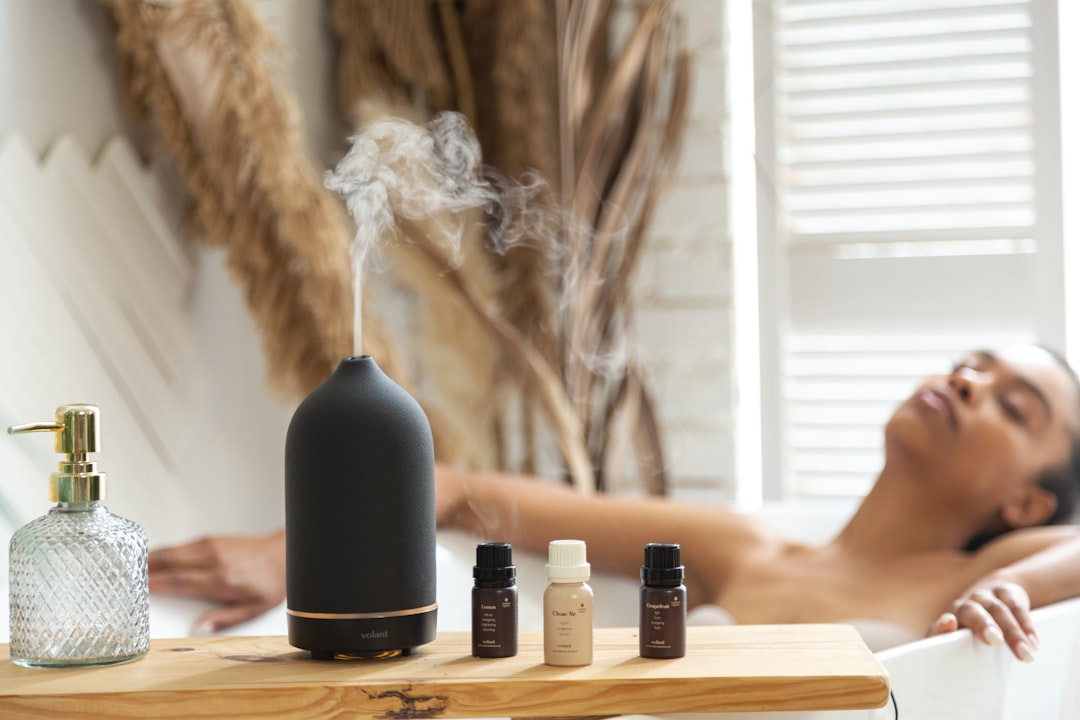
Different rooms and routines call for different delivery methods. For living rooms and open-plan spaces, electric diffusers or scent machines distribute fragrance steadily and safely. A reliable place to browse options is the Essential Oil Diffusers category, which includes ultrasonic and waterless models suited to different room sizes.
For smaller rooms or targeted scenting (bathroom, closet), consider sprays or small reed diffusers. For bedrooms you may prefer a low-level diffuser that runs quietly overnight.
Start with gentle, proven oils and blends
Beginner-friendly essential oils are those with calming, broadly tolerated scents: lavender, bergamot, chamomile, and sweet orange. If you want a variety to experiment with, look at curated sets that take the guesswork out of blending. A practical source for starter collections is the Essential Oil Sets, which typically include multiple popular oils and usage tips.
When blending, start with one or two oils and keep ratios low—too much fragrance can have the opposite effect. A common beginner blend is 3 drops lavender + 2 drops bergamot in a diffuser for evening relaxation.
Quick scent options: room sprays for instant calm
Room sprays are perfect when you need an immediate mood lift—before guests arrive, after cooking, or during a quick reset. They provide scent without equipment and are helpful in rental homes or small spaces. If you prefer ready-made sprays, check the selection under Room Sprays for natural, easy-to-use options.
Use sprays sparingly: two light mistings in the center of the room is often enough. Save stronger floral or spicy scents for brief, intentional use rather than constant diffusion.
Candles and wax melts: safe use and combinations
Scented candles and wax melts are a familiar, cozy way to add fragrance. Choose soy or natural wax candles with clear labeling for cleaner burns, and keep burn times moderate to avoid an overpowering environment. Browse long-lasting options in the Scented Candles collection for balanced, home-friendly choices.
If you prefer flameless options, wax melt warmers deliver continuous scent and are safer in households with pets or children. For electric warmers and functional design options, see Wax Melt Warmers. Always follow manufacturer instructions and never leave warmers or burning candles unattended.
Set the atmosphere with light and color
Scent is most effective when it’s part of a sensory system. Pairing fragrance with warm, low lighting strengthens cues for relaxation. Dimmable lights, salt lamps, or soft table lamps help your brain associate the scent with calm.
For flexible lighting that adapts to time of day or mood, consider options like LED Mood Lighting. Use warmer tones in the evening to support winding down and brighter, whiter light when you need focus.
Make the bedroom a sleep-friendly sanctuary
Bedroom aromatherapy should be subtle and consistent. Lavender or chamomile diffused at low settings can help, but combine scent with other sleep-friendly elements—cool temperature, minimal light, and gentle background sound—to get the best results.
If you find sudden noises wake you, a small sound machine can mask disturbances and help you sleep more deeply. A practical addition is a reliable White Noise Machines, which pair well with low-level aromatherapy to create a stable sleep environment.
Create a simple ritual and self-care corner
Rituals reinforce scent cues. Try a five-minute evening routine: dim lights, diffuse a calming blend, sit with a warm drink, and do gentle stretching or journaling. Over time the brain links the ritual and scent to relaxation, making it faster to switch into rest mode.
If you enjoy giving or receiving care items, curated sets are an easy way to build a self-care corner. Look for ready-made options like Spa Gift Sets that include oils, lotions, and simple tools to support your ritual.
Practical tips for safe, effective aromatherapy
- Use essential oils as directed—diffusers, sprays, or diluted topical applications only.
- Ventilate: open a window occasionally to prevent scent buildup.
- Start small: begin with one oil and one delivery method for a week to evaluate how your household responds.
- Keep pets and children in mind—some oils are irritating to animals; research and moderate exposure accordingly.
- Rotate scents seasonally or weekly to prevent olfactory fatigue (when your nose stops noticing a familiar scent).
Checklist: Get started this weekend
- Choose one delivery method (diffuser, spray, candle, or wax warmer).
- Select one calming oil or a small curated set to experiment with.
- Pick a consistent time for your scent ritual (evening wind-down works well).
- Add a soft light source and, if needed, a white noise machine.
- Note how the space feels after one week and adjust concentration or timing as needed.
FAQ
-
Q: How long should I diffuse oils each day?
A: Start with 30–60 minutes one or two times per day on a low setting, then adjust based on preference and ventilation. -
Q: Which scents are best for focus versus relaxation?
A: Citrus or peppermint blends tend to support alertness; lavender, bergamot, and chamomile support relaxation. -
Q: Can I use the same scent all over the house?
A: You can, but consider varying scents by room to create different cues—e.g., calming in bedrooms, uplifting in kitchens. -
Q: Are ready-made sprays effective?
A: Yes—room sprays offer immediate scenting and are especially useful for quick resets or rented spaces. -
Q: What if someone in my home is sensitive to fragrances?
A: Use very low concentrations, ensure good ventilation, choose natural, clean-label products, and keep scent sources out of shared sleeping areas if needed.
Conclusion — a practical takeaway
Begin with one simple combination: a low-setting diffuser, a gentle oil like lavender, warm lighting, and consistent timing each evening. Give the routine a week and note small changes—often, the calming effect builds as your home and habits align. Use the links above to explore device and product options that match your space and preferences.