Easy Massage Techniques for Relaxing After a Long Day
After a full day of work, errands, or caregiving, your body and mind both need a reliable way to unwind. You don’t need an hour-long spa session or advanced skills—just a few focused techniques that release tension and restore calm.
This guide gives clear, practical self-massage methods you can do at home, plus simple tips for setting the right atmosphere and using small tools that boost effectiveness.
Why a short at-home massage works
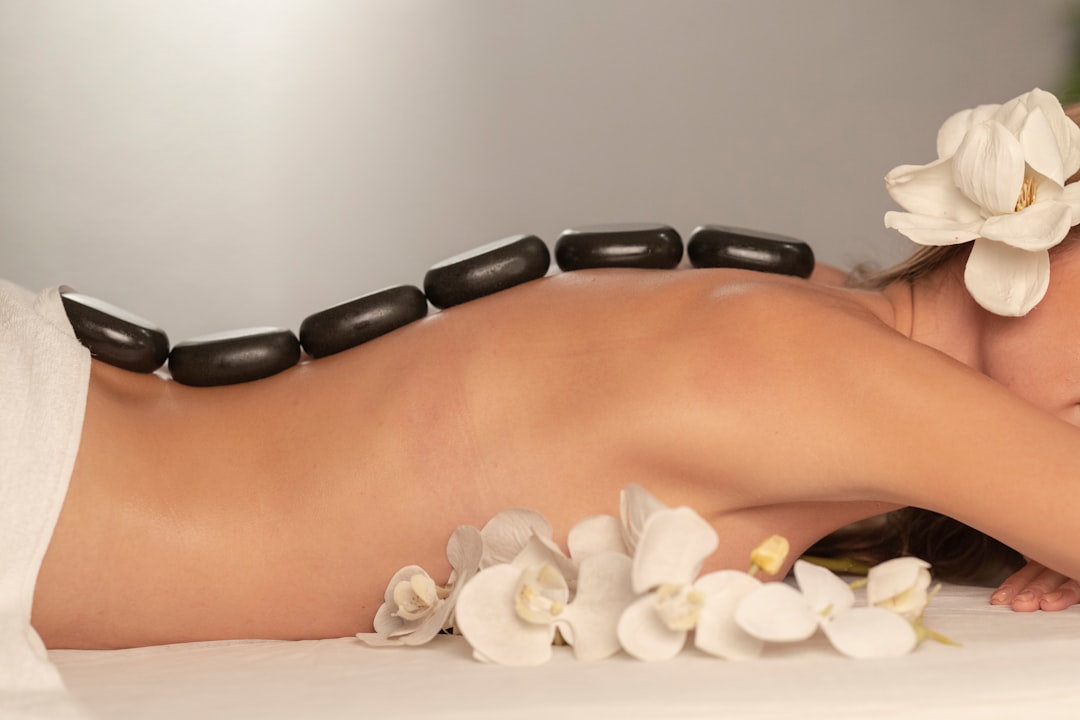
Short, targeted massage reduces muscle tightness and signals your nervous system to relax. Even five to fifteen minutes focused on the neck, shoulders, hands, or feet can lower the physical discomfort that keeps you restless at night. Consistency matters more than duration—daily mini-sessions build lasting relief.
Set the mood: lighting and scent for calm
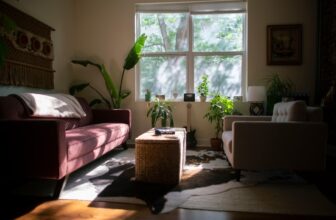
Creating a comfortable environment primes both body and mind for relaxation. Soft lighting reduces sensory strain and helps your brain shift out of “work mode.” Consider adding warm, gentle light sources to your space with an Ambient Table Lamps to make massage time feel intentional and restful.
Lighting pairs well with a subtle, calming scent. A few drops of lavender or citrus in a nearby candle can lower evening arousal—shop tasteful options like Scented Candles to find long-burning, clean-smoke choices that fit your room.
Aromatherapy basics to enhance relaxation
Aromatherapy is an easy, low-effort way to deepen the effect of a massage. A compact diffuser spreads scent evenly so you don’t have to hold anything while you work. If you prefer a plug-and-play option, explore Essential Oil Diffusers that cover various room sizes and often include soft lighting modes for added atmosphere.
To experiment, start with a small collection of versatile oils—lavender for calming, eucalyptus for clearing the head, and peppermint for energizing tension relief. You can find starter packs like the Essential Oil Sets, which are practical for mixing and testing what works for you.
Simple self-massage techniques anyone can do
Start by warming your hands and applying a small amount of oil or lotion. Then use slow, deliberate strokes and notice the muscle beneath your touch. Basic techniques:
- Effleurage: Long, gliding strokes along the length of a muscle—excellent for starting and ending a session.
- Petrissage: Kneading and squeezing muscles gently; great for shoulders and the upper back.
- Friction: Small circular pressure applied to tight knots or trigger points for targeted release.
If you prefer a tool for deeper pressure without fatiguing your hands, a compact option like a Massage Rollers is useful—roll along sore areas or use the roller’s knobs to press into knots while you breathe slowly.
Face, jaw and head relief: rollers and gua sha
Tension shows up in the jaw and face after a long day of clenching or screen time. Gentle techniques can quickly reduce tightness and help you feel calmer.
Start with a cooled facial roller for light pressure and directionality—roll outward and upward to encourage lymphatic drainage. A rose quartz or jade option is a simple tool to add to your routine, like those in the Jade Rollers collection.
For deeper sculpting around the jawline and under the cheekbones, a gua sha tool is effective when used with light oil and gentle strokes. Work small sections and follow the bone contours—available selections of Gua Sha Tools often come with simple instructions for beginners.
Neck, shoulder and upper back routines
Neck and shoulder tension are the most common complaints after long days sitting or standing. Use the following step-by-step approach:
- Warm up: gently tilt your head side to side; breathe with each movement.
- Release traps: with opposite hand, knead the top of the shoulder using circular motions.
- Neck strokes: use thumbs (light pressure) along each side of the spine from base of skull down to shoulders.
- Follow with long, sweeping strokes across the upper back to distribute relief.
To maximize the relaxation that follows a session, consider playing calming background sounds or a steady hum that masks household noise—a device like a White Noise Machines can be especially helpful if you want consistent ambient sound during your unwind time.
Foot and hand care for immediate relief
Feet and hands are highly responsive to focused attention. For feet: sit and use thumbs to press along the arch, then apply circular friction to the heel and ball of the foot. For hands: use the opposite thumb to knead the palm and work each finger from base to tip.
Finish with a warm towel wrap for the feet or a quick warm soak if time allows—this intensifies the relaxation response and reduces lingering stiffness.
Ten-minute routine you can do nightly
Combine techniques into a short sequence that fits busy evenings:
- Set the scene: dim lamps, light a candle or start a diffuser, and settle into a chair (2 minutes).
- Neck and shoulders: 4 minutes of slow kneading and effleurage.
- Hands and feet: 2 minutes each focusing on palms and soles—end with a warm towel (4 minutes).
- Face: 1–2 minutes with a roller or gua sha for de-puffing and jaw release (2 minutes).
Keep a small selection of pampering items together—oils, a roller, and a towel—so your routine is fast and frictionless.
Checklist: What to have nearby
- Light moisturizer or massage oil
- Soft towels or a warm towel source
- Handheld tools: a roller or small massage device
- Soothing light source and gentle scent
- Calming background sound or white noise
FAQ
Q: How long should a self-massage session be?
A: Even 5–15 minutes is beneficial. Consistent short sessions are better than rare long ones.
Q: Can I use essential oils directly on skin?
A: Most essential oils should be diluted in a carrier oil before applying to the skin. Test a small patch for sensitivity.
Q: Will massaging a knot make it worse?
A: Use gentle pressure first. If a spot is very painful or swelling appears, stop and seek professional advice. Avoid aggressive force on inflamed areas.
Q: How often should I use tools like rollers or gua sha?
A: Daily or several times a week is fine for gentle facial tools. For deeper gua sha or massage rollers used aggressively, limit frequency to allow tissues to recover.
Q: What’s the best time of day for self-massage?
A: Evening is ideal for unwinding, but short sessions during breaks at work can also reduce accumulated tension.
Conclusion
A consistent, simple self-massage routine paired with a calming environment can transform how you recover after a long day. Start small—pick two quick techniques and one supportive item (like a roller or a calming lamp), and build from there. The practical takeaway: make relaxation easy, repeatable, and part of your daily rhythm.
Products Featured in This Article
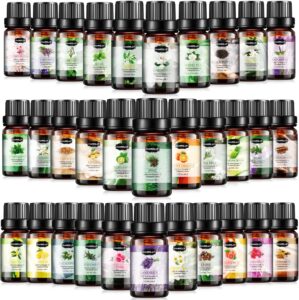
Essential Oils Set, Aromatherapy Es…
Product description Perfect for diffuser Add 5~7 drops of an oil or oil blend of your…