
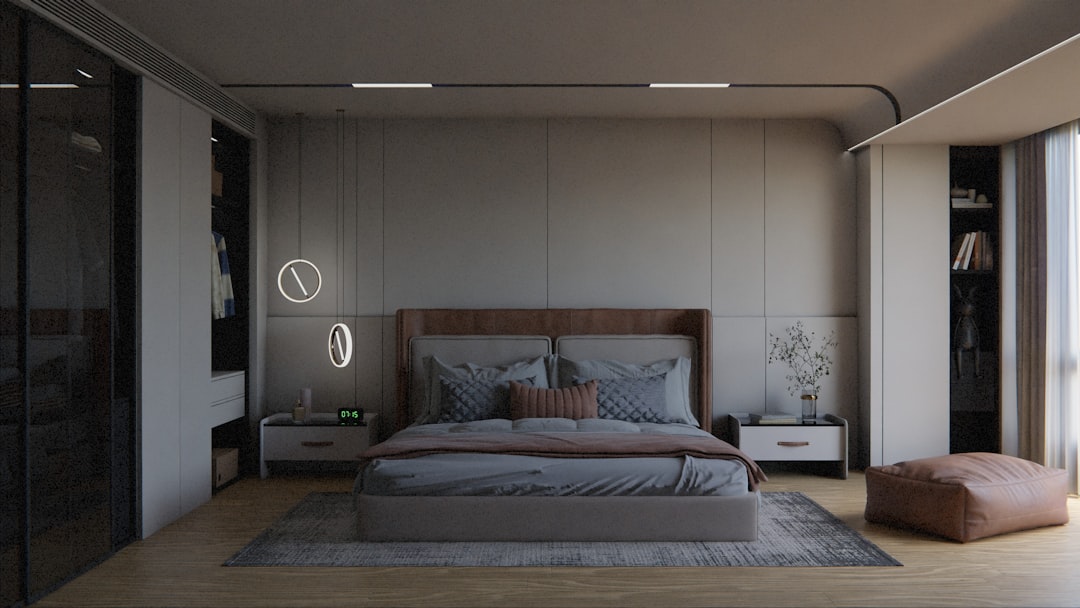
How to Create a Calm and Comfortable Bedroom Environment
Your bedroom should be a sanctuary: a place that supports restful sleep, lowers stress, and helps you recharge. Small changes in lighting, scent, sound, and textiles can add up to a big difference in how peaceful your space feels.
This guide gives clear, practical steps you can apply today—no overhaul required. Follow these evidence-aligned, low-effort strategies to create a calm and comfortable bedroom that invites better rest and everyday relaxation.
Layered lighting: start with soft, functional light
Bright overhead lights are useful for cleaning, but they’re poor at creating calm. Introduce low-level side lighting to make the room feel cozy and to support evening routines such as reading or winding down. A purposefully chosen table lamp with warm color temperature provides both function and ambience—choose designs that diffuse light to avoid glare and create gentle pools of illumination. Explore curated options like Ambient Table Lamps to find styles that fit your bedside needs.
Accent and mood lighting for evening relaxation
Adjustable mood lighting helps signal to your brain that it’s time to unwind. Use dimmable LEDs with warm tones or programmable color options to lower stimulation in the hour before bed. Subtle hues—soft amber, warm rose, deep teal—reduce contrast and create a calming visual field. Consider integrated controls or app scheduling so lights can gently dim over 30–60 minutes rather than switching off abruptly. For flexible options tailored to mood-setting, see LED Mood Lighting.
Decorative string lighting for texture and coziness
Small, directional lights add texture and depth without overwhelming the room. Curtain or fairy-style string lights soften hard edges and create a cocoon-like quality when draped behind headboards or along shelves. Use warm-white or low-intensity bulbs on timers to keep them soothing rather than stimulating. Lightweight, dimmable options make them practical year-round—shop cozy solutions like String Lights.
Scent and aromatherapy: subtle, consistent fragrance
Scent strongly influences mood. For a calm bedroom choose light, natural fragrances—lavender, chamomile, cedar, or mild citrus blends—that you enjoy and that aren’t overpowering. Use steady, low-intensity delivery methods rather than sprays that spike scent levels. Electric diffusers disperse fragrances evenly without open flames; select designs with timed settings or intermittent mist to avoid scent fatigue. Practical picks include Essential Oil Diffusers to maintain a balanced aroma throughout the evening.
Bedding and textiles: prioritize touch and temperature
Comfortable, breathable bedding and smooth pillow surfaces support restful sleep by minimizing friction and regulating head/neck microclimate. Silk pillowcases reduce hair friction and can feel cooler against the skin, which many find soothing for nighttime. Choose breathable sheets and layer with a lightweight throw for flexible temperature control. Upgrade sleep surface elements like Silk Pillowcases for a softer, more temperature-stable sleep environment.
Weighted comfort and gentle warmth
Weighted blankets and targeted warmth can increase feelings of safety and relaxation for many people. A properly sized weighted blanket provides even pressure without overheating, while removable throws or a heating pad offer short bursts of warmth for tense muscles. Match weight and material to personal preference and season. For calming pressure options and cozy layering, check Weighted Blankets.
Sound control: mask, soften, or silence
Ambient noise can undermine calm. Rather than trying to eliminate every sound, introduce consistent, low-frequency masking that smooths sudden spikes—white noise or natural sound machines are effective and non-invasive. Position devices away from your head to avoid excess volume and choose steady, unobtrusive tones for sleep-friendly masking. Reliable options for sound management include White Noise Machines.
Declutter, layout, and a calming visual palette
A tidy space limits visual distractions and reduces cognitive load. Keep surfaces clear, store chargers and clothes out of sight, and use storage solutions that make maintenance simple. Arrange furniture to create an intuitive flow: clear pathways, bedside access, and a dedicated spot for glasses, water, or a book. If you want a one-stop way to explore calming room additions from multiple categories—lighting, scent, and sleep-friendly textiles—visit WowVibe for curated items that fit a restful bedroom aesthetic.
Small rituals and evening routines
Consistency is the final piece: simple pre-sleep rituals help your body learn to transition. Examples include dimming lights 30–60 minutes before bed, diffusing a gentle scent, switching on a low white-noise track, and spending 10–15 minutes reading (paper book or warm-lit e-reader). Keep the routine short and predictable—sustained habits beat occasional big changes.
Quick checklist
- Layer lighting: bedside lamp + low-level accent lights
- Choose calm scents with a timed diffuser
- Use breathable sheets and a silk pillowcase
- Consider a weighted blanket for gentle pressure
- Mask disruptive noise with a white-noise device
- Declutter surfaces and create a simple bedtime routine
FAQ
-
How bright should bedroom lights be before bed? Aim for warm light under 300 lux and gradually dim over 30–60 minutes; bedside lamps with dimmers help you adjust precisely.
-
Are essential oil diffusers safe to use overnight? Use low-intensity, timed diffusers and plain, high-quality oils; avoid anything that causes irritation and ventilate regularly. For balanced options, consider reliable diffuser models from categories like Essential Oil Diffusers.
-
Will a weighted blanket make me too hot? Some people find weighted blankets warmer; choose breathable covers and proper weight (about 7–12% of body weight) to minimize overheating. Lightweight materials and seasonal covers help.
-
What if I don’t like silence or white noise? Try natural soundscapes (rain, river) or low-volume ambient music. Test different masks and volumes—small adjustments can significantly improve comfort. You can find sound-masking tools categorized under White Noise Machines.
-
How can I add calming light on a budget? Use a warm-toned bedside lamp and inexpensive string lights on a timer; both create immediate atmosphere without costly upgrades. Browse cost-effective options such as String Lights and LED Mood Lighting.
Conclusion
Creating a calm bedroom is about small, consistent choices: soft layered light, gentle scent, soothing textures, controlled sound, and a simple routine. Start with one or two changes and build from there—your bedroom will become a reliable refuge that supports better rest and daily recharge.