
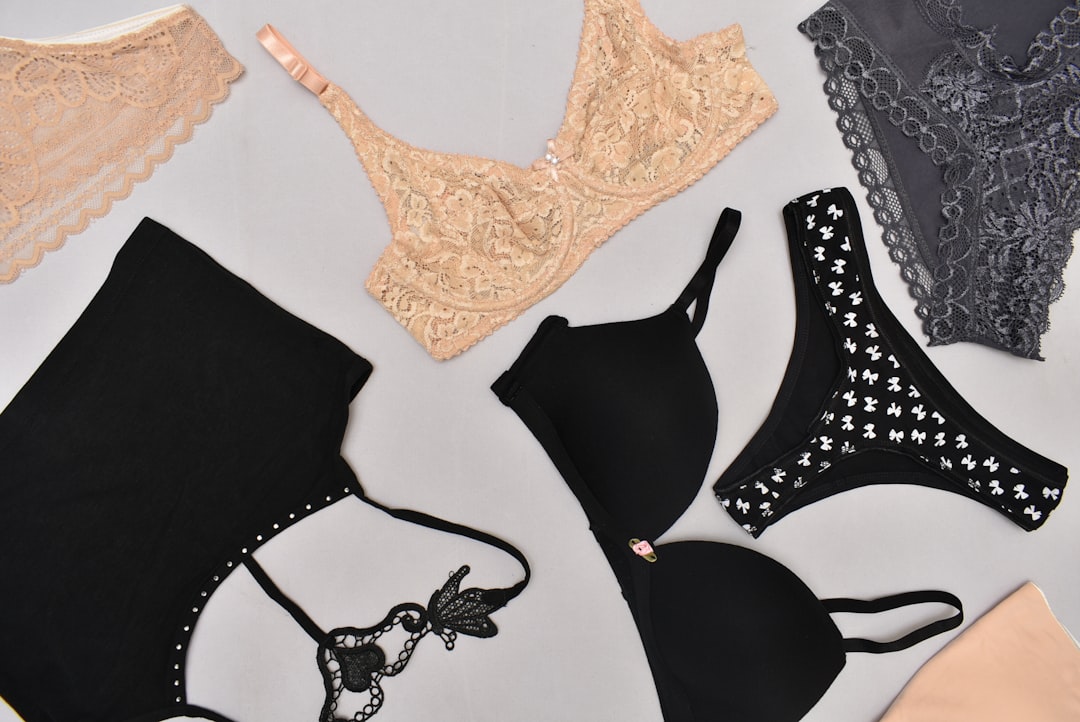
How to Find the Right Bra Fit for Better Comfort and Confidence
Wearing the right bra changes how clothes sit, how you feel, and how your body moves through the day. A well-fitting bra reduces pressure points, improves posture, and boosts confidence — but finding that fit takes method and honesty.
These practical steps will walk you through measurements, try-on checks, style choices and care routines so you end up with bras that fit your life, not just your measurements. If you want to browse a trusted selection as you learn, start with WowVibe for a curated approach to comfort and self-care.
Why fit matters: comfort, support and appearance
A proper fit is the difference between feeling restricted and feeling supported. The band provides most of the support; cups shape and contain; straps and the center gore fine-tune fit. When these elements work together you’ll notice less shoulder and back strain, smoother silhouettes under clothing, and improved confidence when you move.
Create a calm fitting environment
Trying on bras is easier when you feel relaxed and have good lighting and privacy. Small touches—soft light, a tidy space and pleasant scents—help you focus on fit rather than stress. Consider adding an Aromatherapy Diffusers or an Essential Oil Diffusers to create a calm, focused trying-on session.
Before you measure: what to wear and what to prepare
Measure in front of a mirror wearing a lightweight, non-padded bra or nothing at all. Have a notepad or phone ready to record numbers. Keep a few comfort items nearby (a clean change of clothes or easily accessible Feminine Hygiene Products) so you can focus purely on fit without interruptions.
How to get accurate measurements
Use a flexible measuring tape and a mirror. Two key measurements will guide size:
- Band (underbust): Measure snugly around your ribcage right under the breasts. Round to nearest whole inch or centimeter.
- Bust (fullest part): Measure across the fullest part of the bust keeping the tape level and comfortably loose.
Subtract band from bust measurement to estimate cup volume (roughly: 1″ = A, 2″ = B, 3″ = C, etc.). Remember sizing systems vary by brand; measurement gives a starting point, not the final answer.
Band fit: the foundation
The band should be snug on the loosest hook when new — comfortable, breathable and level around the body. If the band rides up, it’s too large. A band that feels crushing or causes obvious red marks is too tight. The ideal band supports without digging in, and if the band is right, straps should only provide about 10–20% of support.
Good lighting makes it easier to spot ride-up and marks. A soft lamp placed nearby helps you judge fit and symmetry — try an Ambient Table Lamps for flattering, even light while you try on bras.
Cup fit: fullness, spillage and gaps
Proper cups contain breast tissue without overflow or empty space. Look for these signs:
- Overflow (spilling over): Try a larger cup or sister size.
- Gapping at top or sides: Move down a cup size or try a different cup shape.
- Wrinkling in the cup fabric: Often indicates cup is too large or the shape doesn’t match your bust.
Different bras have different cup shapes (full coverage, plunge, balconette). Trying several silhouettes is normal. You can make the try-on ritual more uplifting with a little mood-setting—light a Scented Candle afterwards or reward yourself with a relaxing treat from a Spa Gift Sets if you find a great fit.
Straps, gore and movement tests
Straps should be snug but not digging in; you should be able to slide one finger under them. A front-center gore (between cups) should lie flat against your sternum for an anchored fit; if it floats, try a different size or style. Test support by bending, raising arms and walking—nothing should shift dramatically.
When trying on several bras, make the space inviting so you’re more likely to take time for movement checks—string some gentle String Lights or use calm, focused lighting to create a private try-on nook.
Try-on tips: what to adjust and when to swap sizes
Use the “swoop and scoop”: lean forward, place breast tissue into the cup from the side and bottom, then fasten and stand upright. If the band is comfortable and the cups smooth, try adjusting straps for final comfort. If the band is on the last hook and still loose, size down in band and up in cup (sister sizing); for example, 36C ≈ 34D.
Bring a checklist when shopping: your measurements, a test outfit or top, and a plan for activities you’ll do in the bra (work, exercise, evening wear). Good light and a calm space help you compare options; consider an Essential Oil Diffuser to keep the environment pleasant if you’re trying multiple pieces.
Care, rotation and when to replace
Bra elasticity declines with time. Rotate several bras so no single piece does all the work. Hand-wash or use a lingerie bag and cold, gentle cycle; reshape cups and air-dry. Replace bras when the band no longer provides firm support, cups lose shape or straps stretch beyond adjustment.
Regular self-care supports your comfort and confidence outside of fit—treating yourself to small rituals like a soothing soak or a calming fragrance can reinforce the positive feeling of wearing the right bra.
Checklist: quick fit test
- Band level and snug on loosest hook
- Cups contain without spillage or gapping
- Center gore sits flat
- Straps adjusted, not bearing most support
- Comfort during movement test (raise arms, bend, walk)
- At least two different bras rotated weekly
FAQs
Q: How often should I get measured?
A: Measure at least once a year or after weight changes, pregnancy, surgery, or major lifestyle shifts.
Q: What is sister sizing and when should I use it?
A: Sister sizes maintain cup volume but change band width (e.g., 36C ≈ 34D). Use sister sizing when band fit is off but cup volume feels right.
Q: How do I know when a sports bra fits properly?
A: A sports bra should compress sufficiently to limit bounce without cutting off breathing. Look for a snug band, encapsulating cups or a strong compression fit, and test with light jogging or jumping jacks.
Q: Can I alter a bra for better fit?
A: Small strap or band adjustments are common, but structural changes to cups or bands should be done by a professional seamstress. Often, trying a different style is simpler.
Q: How many bras should I own?
A: Aim for a rotation of at least 3–5 bras: everyday, a supportive option for active days, and a few style variations for different outfits. Rotate to extend life and maintain support.
Conclusion
Finding the right bra takes measurement, honest try-ons and mindful testing. Prioritize a supportive band, correctly filled cups and a comfortable gore; use good lighting and a calm environment to judge fit. With a small rotation of well-fitting bras and regular checks, you’ll enjoy better comfort, posture and confidence every day.