
How to Make More Time for Yourself Without Feeling Guilty
Carving out time for yourself isn’t indulgence — it’s a productivity and well-being strategy. Yet many people feel guilty when they put their needs first. That friction makes it harder to build consistent habits.
This guide offers practical, low-friction steps to reclaim pockets of time, reshape the internal conversation about guilt, and set up an environment that supports regular self-care. If you want simple tools and inspiration, check the WowVibe collection for ideas that make self-care feel approachable and enjoyable.
1. Reframe guilt into a helpful signal
Guilt often comes from believing you’re doing something wrong when you take time out. Reframe it: guilt can be a cue to check responsibilities, not a veto on rest. Ask two quick questions when guilt appears: “Is this time harming anyone?” and “Will this help me be better for others later?” If the answers are no and yes respectively, you’re allowed to proceed.
2. Treat self-time like an appointment
Put self-care on your calendar with the same rigidity you’d apply to meetings. Block 20–60 minutes and label it explicitly: “Walk,” “Read,” “Focus work,” or “Unwind.” Small, consistent blocks are more sustainable than occasional long sessions. Use recurring slots so your calendar becomes the barrier to overcommitting.
3. Build micro-rituals that reset you fast
Micro-rituals are 5–15 minute habits you can do between tasks: deep breathing, a short stretch, making tea, or a quick face massage. A lightweight diffuser or a compact aromatherapy kit can help you switch modes quickly — try an aromatherapy diffuser to anchor a calming ritual without extra effort.
4. Design a restorative environment
Small changes to lighting, scent, and textures make downtime feel intentional and restorative, which reduces guilt. For easy ambient effects, consider warm, supportive lighting. LED mood lighting helps signal “off-duty” without needing a full room makeover.
5. Use simple sensory cues to switch modes
Associating a sensory cue with personal time trains your brain to relax faster. A playlist, a specific candle, or a string of lights can be that cue. If you like a softer, cozy vibe, a set of string lights or a focused scented element can mark the transition from work to rest.
6. Prioritize rest with supportive tools
Supportive products make rest more effective and less like “wasted time.” Weighted blankets, supportive heating pads, or a simple massage roller can help you disconnect faster and get more benefit from less time. If you want a single, high-impact upgrade that improves sleep and relaxation, try a weighted blanket.
7. Make self-care efficient and pleasant
When self-care is efficient and enjoyable, guilt fades because the payoff is obvious. Keep a small toolkit ready: an essential oil roll-on, a quick facial roller, or a short guided audio. An essential oil set supports fast aromatherapy breaks you can do anywhere.
8. Add touch-based rituals for immediate grounding
Physical touch—self-massage, facial rolling, or gua sha—provides quick relief from stress. These techniques focus your attention in the body and create a clear boundary between busy and calm. A small tool on your nightstand, like a jade roller, makes it easy to do a two-minute ritual before bed or after a long call.
9. Use social expectations to protect your time
Communicate boundaries in simple, actionable ways: “I’m offline from 8–9 p.m. each night to recharge.” Attach a small reward or ritual to protected time so it feels earned instead of selfish. If you’re gifting calm to someone else (or building a shared ritual), look to spa gift sets for ideas you can do together or give as a reminder to prioritize rest.
Quick checklist: How to make time for yourself this week
- Block two 20–30 minute appointments on your calendar labeled for self-care.
- Choose one sensory cue (lighting, scent, or music) to signal “me-time.”
- Prepare a micro-ritual toolkit (aromatic, tactile, and auditory). Consider an essential oils set if you don’t have one.
- Set a single boundary message to share with family or coworkers.
- End the week with a 10-minute reflective check: what worked, what didn’t.
FAQ
- What if I feel selfish every time I take personal time?
Start small. Reframe time as maintenance: you’ll be more effective for others when you’re recharged. Track outcomes—better focus, fewer mistakes—to reinforce the value.
- How do I protect time when my schedule is unpredictable?
Use micro-breaks (5–15 minutes) and portable rituals—like a relaxing scent or a quick facial roller—to get benefits even on busy days.
- How can I make my home feel more restful without big expenses?
Change light color/brightness, add a scent cue, or add a small tactile tool. Affordable options include cozy lamps or a tiny diffuser; these are effective because they create consistent cues.
- How do I explain boundaries to friends or family?
Be direct and brief: “I need quiet time from 9–9:30 to recharge—can we talk after?” Offer an alternative to show you’re not rejecting them.
- What if I don’t enjoy traditional self-care like baths or meditation?
Self-care can be active: a brisk walk, cooking a favorite meal, or a creative 20-minute project. Choose activities that restore focus and joy for you.
Conclusion — a practical takeaway
Start by scheduling two short, nonnegotiable appointments for yourself this week and pick one tangible cue (light, scent, or touch) to signal those moments. Small, consistent practices compound quickly: the more you treat self-time as purposeful, the less guilt will stick.
Products Featured in This Article
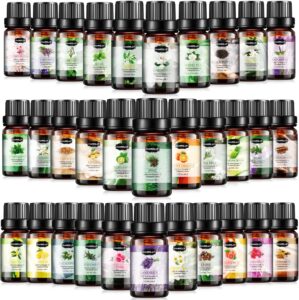
Essential Oils Set, Aromatherapy Es…
Product description Perfect for diffuser Add 5~7 drops of an oil or oil blend of your…