How to Reduce Stress and Create More Calm in Your Daily Routine
Stress is part of modern life, but the way you structure your day determines whether stress builds or dissipates. Small, consistent habits slow your biological stress response and create more moments of calm.
This guide gives practical steps you can use immediately—morning to night—plus tools and rituals that support relaxation. Use the sections below to pick one change at a time and build a calmer routine that lasts.
Understand where stress shows up
Stress often emerges as tight shoulders, scattered thoughts, shallow breathing, or disrupted sleep. Recognizing physical and mental cues—headache, irritability, restless sleep—lets you intervene early. Interventions that target breath, environment, movement, and sleep are the most effective and easiest to maintain.
Start your day with intention
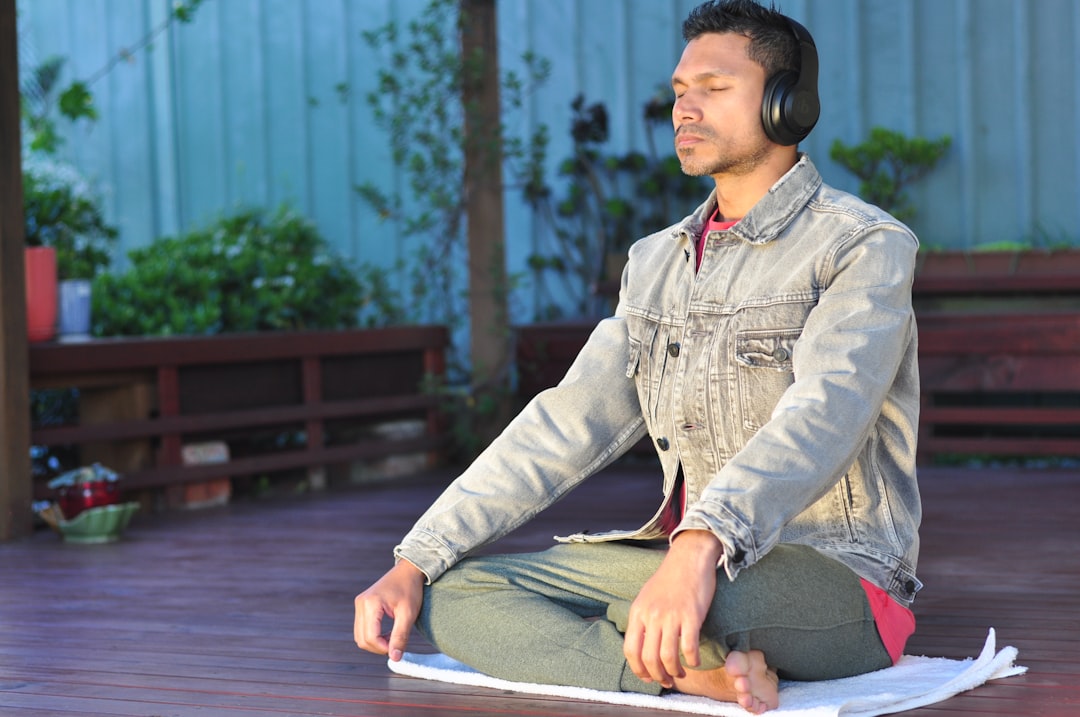
Begin with a 5–10 minute practice that centers you: seated breathing, a short meditation, or gentle stretching. Sitting on a comfortable cushion helps you stay consistent and avoid fidgeting. A supportive seat for daily practice makes it easier to stick to the habit and signals to your brain that it’s time to slow down.
Consider a dedicated meditation cushion to improve posture and comfort during morning practice: HOMBYS Pro Meditation Cushion Set.
Use micro-practices to reset during the day
Short resets prevent small stressors from snowballing. Try these throughout your workday:
- Box breathing for 1–2 minutes (inhale 4, hold 4, exhale 4, hold 4).
- Stand and stretch every 45–60 minutes—reach overhead, roll shoulders, open your chest.
- Two-minute eyes-closed breaks to lower sensory input and reduce cognitive load.
Micro-practices are most useful because they require minimal time but change your physiological state quickly.
Create a soothing environment
Your surroundings influence mood more than you might expect. Declutter zones where you eat and work, add a plant or a simple object that promotes calm, and keep a consistent place for a few restorative rituals. Aroma dispersal is particularly effective for quick shifts in mood; a small diffuser in a central spot can subtly calm a room.
For a dependable way to add calming scent to shared spaces, consider using Essential Oil Diffusers that cover different room sizes and run quietly.
Use scent to cue calm—and light to set tone
Scent is a direct route to the limbic system, the part of the brain that handles emotion and memory. Keep a gentle scent on hand to create instant calm during stressful moments. Choose clean, natural fragrances like lavender or citrus blends and use them strategically rather than constantly.
For an easy, low-maintenance option, natural Scented Candles can be lit during evening rituals or when you need a brief sensory cue to pause and breathe.
Mood lighting matters—soft light lowers arousal
Bright, blue-rich lighting signals alertness. To downshift, swap overhead bright bulbs for softer, warmer illumination in the evening. Dimmable lamps and color-adjustable lights help you create an environment that feels calm and restorative.
Consider flexible options like LED Mood Lighting to tune brightness and color across rooms without rewiring or harsh fixtures.
Evening wind-down for better sleep
Wind-down routines should start 60–90 minutes before bed. Reduce screens, dim lights, and choose calming activities—reading, a warm shower, light stretching. For many people, steady ambient sound helps the mind settle and blocks disruptive noises.
If outside noise or sudden sounds disturb your sleep, a compact sound device can help maintain steady auditory conditions. Check options in the White Noise Machines category for models that suit bedrooms, nurseries, or shared apartments.
Optimize sleep comfort
Comfortable bedding is foundational. If you wake with stiffness or fail to fall asleep easily, small upgrades—cozy layers and a weighted feel or soft throw—can make a meaningful difference. Select textures that feel soothing to you: fleece, plush, or breathable cotton blends.
Adding a soft layer can be an affordable, immediate improvement—explore cozy options like Bed Blankets to tune temperature and comfort for restorative sleep.
Facial and tactile self-care to reduce tension
Physical tension often shows up in the jaw, forehead, and around the eyes. Gentle facial massage promotes circulation and reduces the tightness associated with stress. Spending five minutes with hands or tools each evening can be remarkably calming and help signal the transition to rest.
For structured facial techniques, consider tools designed for targeted pressure and scraping motions like Gua Sha Tools, which many people use to relieve tension and encourage lymphatic drainage.
Tools to ease facial tension and promote ritual
Rolling tools and cool stones can add a soothing, ritualistic element to your routine. They’re quick to use and create a sensory anchor that helps your brain register a pause from work and worry.
A gentle roller can be stored by your sink or nightstand and used for a 2–3 minute ritual: roll outward from the center of the face, under the eyes, along the jawline, and finish at the temples. Consider Jade Rollers for a simple tactile tool to include in daily self-care.
Practical daily checklist
- Morning: 5–10 minutes intentional breathing or seated practice.
- Every 45–60 minutes: 1–2 minute movement or stretch break.
- Midday: brief outdoor walk or natural light exposure (10–20 minutes).
- Evening (60–90 min before bed): dim lights, reduce screens, light a candle or use a diffuser.
- Night: consistent bedtime and sleep-friendly bedding.
- Weekly: 10–15 minute self-massage or facial tool session to release tension.
FAQ
Q: How long before I notice benefits?
A: Small changes can produce noticeable relief within days (improved sleep, less reactivity). Lasting changes take consistent practice over weeks.
Q: I don’t have time for long rituals—what’s the minimum?
A: Even 1–3 minute resets (breathing, a short walk, or a roller session) repeated several times daily provide meaningful reductions in stress.
Q: Are scented products safe for everyone?
A: Most are safe for general use, but avoid scents if you have allergies, asthma, or chemical sensitivities. Choose natural, hypoallergenic formulas when possible and test small amounts first.
Q: What if I can’t stick to a morning routine?
A: Start smaller—one minute of breathing or one stretch—and attach it to an existing habit (after brushing teeth, before coffee). Incremental consistency builds routines without friction.
Q: How can I make my small space feel calmer?
A: Prioritize a single “calm corner”: a soft light, a calming scent, and one comfortable object. Even a small, dedicated spot signals restfulness to your brain.
Conclusion — one practical takeaway
Pick one small actionable habit right now—5 minutes of morning breathing, a nightly dim-light ritual, or a 2-minute midday stretch—and commit to it for two weeks. Use one tool or product to support that habit (for example a meditation cushion, diffuser, or roller). Small, repeated actions rebuild your nervous system’s tolerance for stress and create reliable calm in daily life.
Products Featured in This Article
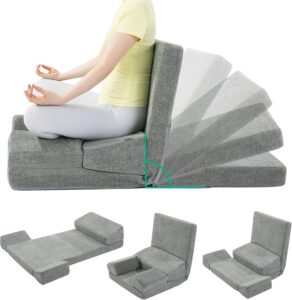
HOMBYS Pro Meditation Cushion Set w…
Product description The video showcases the product in use.The video guides you through product setup.The video…