How What You Wear at Home Can Affect Your Mood and Confidence
What you wear at home matters more than many people realize. Clothing affects posture, energy, self-image and even daily habits. Small, intentional choices about fit, fabric and color can raise confidence and improve how you move through the day.
This post lays out practical ways to adjust your at-home wardrobe and environment so your clothes support—rather than undermine—your mood. Each section includes actionable tips you can apply today.
Why what you wear at home matters
Clothes aren’t just external; they cue behavior. When you slip into something that fits and feels purposeful, you stand straighter, move with more assurance and treat tasks with clearer intent. Conversely, wearing ill-fitting or too-sloppy items can subtly lower motivation and make low-energy habits feel normal.
The comfort–confidence balance
Comfort is essential at home, but comfort that undermines confidence can be counterproductive. Choose fabrics and layers that feel good without hiding your shape completely. Soft, tactile items that still have some structure help you feel relaxed and present.
For example, adding a high-quality throw or cozy blanket on your couch or bed makes lounging intentional rather than resigned—an easy physical cue you can use to change how you feel when dressing down at home. Consider options like a plush Bed Blankets to create that contained, comfortable environment.
Color, pattern and how light changes perception
Colors influence mood: neutrals calm, bright tones energize, and certain patterns can make you feel more put-together. Importantly, your lighting alters how colors read. If your living room is under warm, dim light, a pale blue top might look muted and lose its uplifting effect.
Invest in flexible lighting that lets you tune the visual tone to match your outfit and the mood you want. Dimmable and color-adjustable options let a garment’s color pop or soften intentionally—try ambient solutions like LED Mood Lighting to align your room light with your look.
Match your outfit to the activity
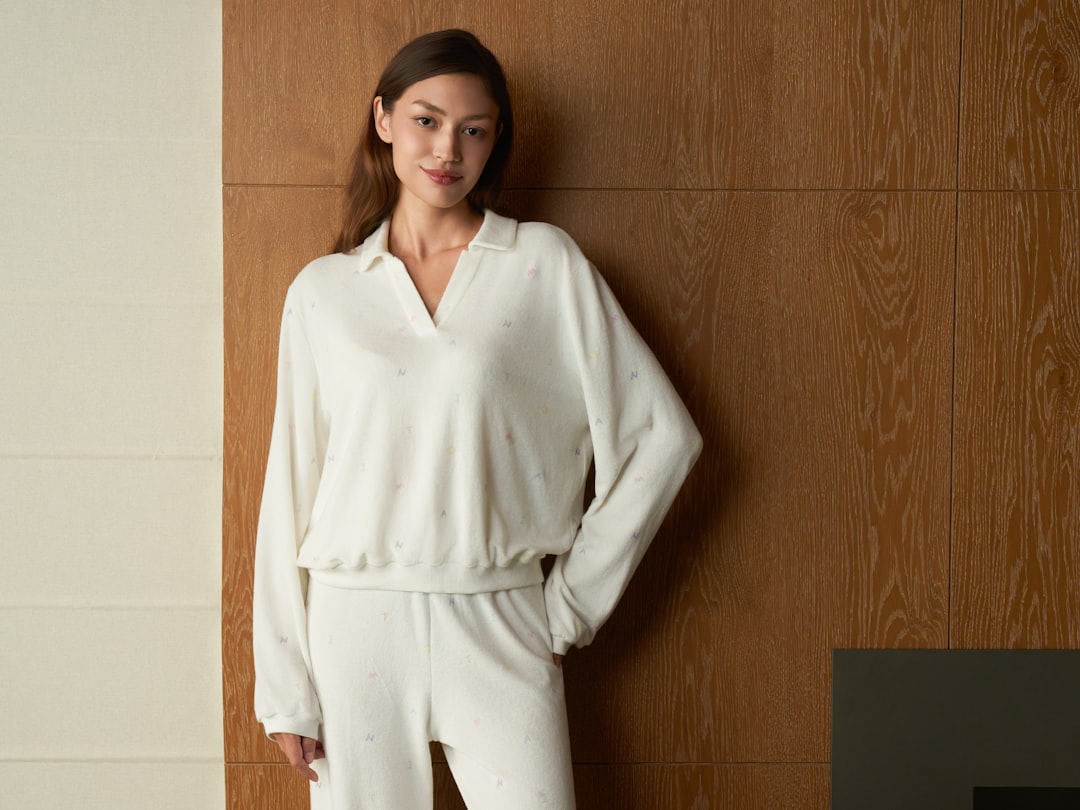
Choose clothes that signal the task at hand. Make an outfit for focused work (structured loungewear or a casual blazer), movement (breathable layers) or rest (soft pajamas). The brain reads these signals and shifts behavior accordingly.
Also use ambient decor to reinforce the cue: when you’re winding down into lounge mode, soft accents and gentle illumination help. Simple accents like String Lights can make a relaxed outfit feel cozy and intentional rather than sloppy.
Build a purposeful routine: morning and evening steps
A short dressing ritual helps anchor identity: make your bed, pick an outfit that fits the day’s goals, and spend two minutes on face or neck self-care. Those few steps set a tone of self-respect that carries through the day.
Incorporating a quick facial roll or massage right after dressing can be surprisingly effective at increasing alertness and confidence. Tools like a quality Jade Rollers are gentle cues that tell your brain you’re in “maintenance” mode—energized and prepared.
Micro-rituals to stay focused while working from home
When remote work blurs personal and professional time, micro-rituals create boundaries. Change into a light-structured outfit at the start of work, and pause for two minutes to reset when you switch tasks. These habits help sustain mental clarity and confidence in your role.
Short, intentional breaks that include a facial or neck massage can restore focus without a full wardrobe change. Tools like Gua Sha Tools are compact, easy to use and reinforce the message that you’re tending to yourself—and your productivity.
Scent as an instant emotional anchor
Scent influences emotion rapidly. Pairing a specific scent with a particular outfit or routine creates an associative anchor: when you later encounter that scent, your body quickly shifts toward the associated mood.
Use diffusers during dressing or morning routines to create a consistent olfactory cue. A small investment in an Essential Oil Diffusers and a favorite oil can turn an ordinary outfit into a ritualized signal for confidence and calm.
Little upgrades that signal “you matter”
Small, inexpensive upgrades to your environment and wardrobe communicate value to yourself. A neat, well-maintained outfit, a subtle accessory, or a gentle room scent can interrupt cycles of low energy and start positive momentum.
Lighting and fragrance are two fast wins. A candle on the table, or a dedicated scented item near where you dress, signals care. Choose options like responsibly-made Scented Candles to make a routine smell and feel intentional.
Treat yourself with intention—occasional rituals
Plan occasional at-home treats to reinforce your new habits. A spa-like evening, a grooming session, or a new loungewear item can reset your baseline for comfort and self-respect. These treats should be purposeful, not habitual splurges.
If you want an easy way to elevate at-home rituals, consider curated sets that package multiple care elements together. A thoughtful Spa Gift Sets gives you a ready-made ritual to associate with a dressed-up feeling at home.
Quick checklist: daily decisions that help
- Choose an outfit with a clear purpose (work, movement, rest).
- Pick fabrics that balance comfort and structure.
- Use lighting to match the outfit’s intention.
- Add a scent cue during dressing (diffuser or candle).
- Keep one self-care tool nearby for short rituals (roller or gua sha).
- Schedule one weekly “treat” that lifts your baseline.
FAQ
Q: Do I need to change clothes to feel more confident at home?
A: Not always—small changes like choosing a fitted top, adding an accessory, or adjusting your lighting can shift confidence. If you feel chronically low, a purposeful outfit change can help reset your routine.
Q: How long before a new dressing habit changes my mood?
A: You can feel a small difference immediately, but consistent habits—two to four weeks—are usually needed to shift your baseline mood and identity cues.
Q: Are there quick, budget-friendly upgrades that help?
A: Yes. Clean, intentional outfits, a favorite scent, and simple lighting changes are low-cost and effective. Small investments signal value and change behavior more than expensive items.
Q: Can scents really be associated with clothing?
A: Yes. When you repeatedly pair a scent with a routine or outfit, your brain forms an association that triggers the linked mood when you encounter the scent again.
Q: What if I work from home and don’t want to dress up?
A: You don’t need formalwear. Opt for structured loungewear or neat casuals that maintain comfort while signaling readiness—small shape and fabric changes make a big difference.
Conclusion
What you wear at home sends signals to your brain. By choosing clothes that balance comfort and structure, aligning lighting and scents, and adding brief self-care rituals, you can boost mood and confidence without major lifestyle changes. Start with one small tweak today—your clothes and environment will do the rest.